


Blog
Classic Dining Rooms 2026: A Guide to Sizes, Wood, and Elegant Designs

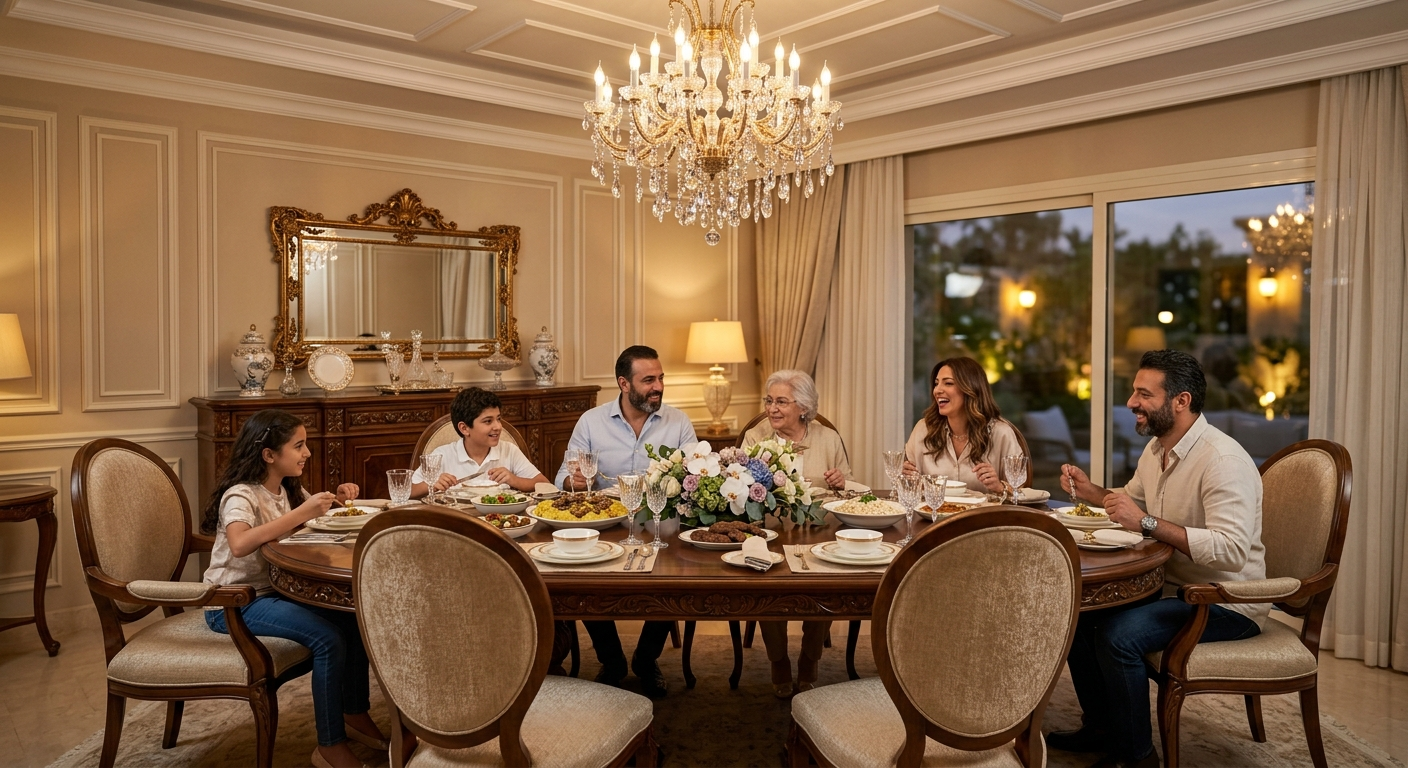
Classic dining rooms remain a popular choice for homeowners who appreciate timeless furniture, refined details, and an elegant atmosphere. A dining room is more than a place to eat. It is where families gather, friends share meals, and special occasions become lasting memories. Choosing the right dining set therefore requires more than finding an attractive table and matching chairs. It means creating a comfortable, functional space that complements your home.
In 2026, classic dining furniture continues to evolve. Traditional designs with carved wooden details and rich finishes remain appealing, while modern classic dining rooms offer simpler silhouettes that suit contemporary interiors. Both styles can provide an elegant setting when their proportions, materials, and finishes are selected carefully.
However, buying a dining set can present several challenges. A table that looks impressive in a showroom may be too large for your dining area. Chairs may appear beautiful but offer limited comfort, and a dark wood finish may not work well with your existing flooring or lighting. These considerations can affect the appearance and usability of your dining room long after the purchase.
At Gheth Furniture, selecting suitable furniture begins with understanding your space, lifestyle, and design preferences. Whether you need a practical family dining set or luxurious furniture for entertaining guests, careful planning helps you compare options and make a more informed decision.
This guide covers the essential factors to consider when choosing classic dining rooms in 2026, including table dimensions, seating capacity, wood types, construction quality, interior coordination, budgeting, and maintenance. By understanding these details, you can select a dining set that combines elegance, comfort, and practical value.
Why Are Classic Dining Rooms Still Popular in 2026?
Classic dining furniture is recognized for its distinctive details, balanced proportions, and coordinated appearance. Traditional designs often feature carved legs, curved chair backs, rich wooden finishes, and upholstered seats that contribute to a refined atmosphere.
One of the main advantages of classic furniture is its adaptability over time. A carefully selected dining set can remain visually appealing even when you update your curtains, lighting, wall colors, or accessories.
Luxurious Classic Dining Rooms for Elegant Homes
If you want a luxurious dining room, focus on the quality of the finish, the proportions of the furniture, and the coordination between the table and chairs. Elaborate decoration can be attractive, but it should not come at the expense of comfort or functionality.
Dark walnut, rich brown, and reddish wood tones can create a traditional atmosphere. Cream and beige upholstery can soften the overall appearance, while carefully chosen metallic accents may add sophistication.
The most effective combination depends on your room’s natural light, flooring, wall colors, and surrounding furniture. A luxurious dining set should complement the interior rather than overwhelm it.
Modern Classic Dining Rooms for Contemporary Living
Modern classic dining rooms combine traditional influences with cleaner lines and more restrained decoration. They may feature gently curved chair backs, distinctive wooden legs, or elegant upholstery alongside simpler table shapes.
This style is particularly suitable for homes where the dining area connects to the living room or kitchen. Neutral fabrics and natural wood finishes make it easier to coordinate furniture across open-plan spaces.
Modern classic designs also provide flexibility when updating your interior. You can introduce new accessories, rugs, or lighting without replacing the entire dining set.
How to Choose the Right Dining Table Size
Choosing the correct dimensions is essential because even an attractive dining set can make a room uncomfortable if it occupies too much space.
Before selecting a table, measure the room and identify the locations of doors, windows, walkways, and existing furniture. Remember that the table itself is only part of the required space. Chairs need room to move, and people need sufficient clearance to walk around the dining area.
Recommended Table Sizes by Seating Capacity
| Number of people | Approximate rectangular table length |
|---|---|
| 4 people | 120–140 cm |
| 6 people | 150–180 cm |
| 8 people | 180–220 cm |
| 10 people | 240–280 cm |
These measurements are general guidelines. The appropriate size depends on table width, chair design, and the space required by each diner.
Round tables can be suitable alternatives. A diameter of approximately 100–120 cm may accommodate four people, while some six-person tables require around 130–150 cm.
Before ordering, mark the proposed table dimensions on the floor using masking tape. This helps you understand how much space the furniture will occupy and whether the arrangement leaves enough room for movement.
How Much Clearance Do You Need Around the Table?
Aim for approximately 90 cm between the table edge and nearby walls or obstacles where chairs must be pulled out. In frequently used walkways, approximately 100–120 cm may provide a more comfortable arrangement.
These are planning recommendations rather than fixed requirements. The appropriate clearance depends on chair depth, the room’s layout, and how people move through the space.
If your dining room is small, prioritize proportion over size. A well-designed medium-sized table with comfortable chairs can look more elegant than a larger set that restricts movement.
Choosing the Right Number of Chairs
Your seating requirements should reflect your household’s everyday needs and how frequently you entertain guests. A six-seat set may be sufficient for a smaller family, while larger households may prefer eight seats or more.
An extendable dining table is worth considering if you regularly host guests but want to preserve floor space during everyday use. Check the table’s fully extended dimensions before purchasing to ensure that chairs and walkways still fit comfortably.
Choosing the Best Wood for Classic Wooden Dining Rooms
Wood influences a dining set’s appearance, construction, maintenance requirements, and cost. Understanding the differences between common materials can help you compare furniture more effectively.
Popular Wood Types for Dining Furniture
- Beech: Commonly used in furniture frames and chair components because of its strength and suitability for regular use.
- Oak: Known for its distinctive grain and substantial appearance, making it suitable for traditional and modern classic interiors.
- Walnut: Appreciated for its rich brown tones and refined appearance, particularly in premium furniture designs.
- Mahogany: Associated with traditional furniture and warm reddish-brown finishes.
Each wood type has different characteristics, and the species alone does not determine the quality of a finished dining set. Proper drying, reliable joinery, and careful finishing also affect its performance.
When comparing products, ask which materials are used for the table frame, tabletop, legs, and chair structures. Different components may use different materials, so understanding the complete construction is important.
Are Engineered Wood Materials Suitable?
Some dining furniture incorporates engineered wood, such as medium-density fibreboard (MDF) or particleboard, in selected components. These materials can be suitable for certain panels and surfaces when their quality, thickness, edge treatment, and moisture protection are appropriate.
Examine the surface finish, edges, stability, and connections between components. Ask about cleaning requirements and warranty coverage, particularly if the dining set will be used every day.
The most important consideration is whether the materials are suitable for their intended purpose and manufactured to an appropriate standard.
How to Check Furniture Construction Quality
Inspect the table for stability and ensure that its surface is level. Test the chairs for wobbling, examine the joints, and check that the finish is consistent across visible surfaces.
Look closely at upholstered seats to ensure that the fabric is fitted neatly and that the seams appear secure. If the dining set includes drawers or storage units, check that the moving parts operate smoothly.
It is also worth confirming delivery arrangements, assembly services, and warranty terms before completing your purchase.
To compare available styles, explore the dining room collection at Gheth Furniture and shortlist designs that suit your space and preferences.
Choosing the Best Dining Table Shape
The shape of your dining table affects seating arrangements, circulation, and the room’s overall appearance. The right option depends on the dimensions of your dining area and the number of people you expect to accommodate.
Rectangular and Oval Dining Tables
Rectangular tables are versatile and work particularly well in long dining rooms. Their shape makes it easier to arrange several chairs along the sides and create a balanced furniture layout.
Oval tables offer a softer silhouette while accommodating multiple diners. Their curved edges can make a traditional dining room feel less formal and may work well with upholstered chairs and coordinated accessories.
Both shapes can complement classic and modern classic interiors when their proportions are appropriate.
Round Dining Tables
Round tables encourage conversation because diners can maintain eye contact more easily. They can be especially effective in square rooms, where they create a natural central gathering point.
However, a round table still needs sufficient surrounding space for chairs and circulation. Compare its diameter with the available floor area before choosing this design.
Selecting Comfortable Chairs and Upholstery
Dining chairs should support comfortable seating while complementing the table’s style. Traditional chairs often feature curved backs, decorative wooden details, and upholstered seats.
Consider the following factors:
- Seat height: Ensure that the chairs provide suitable clearance beneath the tabletop.
- Back support: Choose a design that remains comfortable during longer meals.
- Structural stability: Check the legs and joints for movement.
- Upholstery: Consider durability, cleaning requirements, and color coordination.
- Chair proportions: Ensure that all seats fit around the table without overcrowding.
For households with children, easy-care upholstery may be more practical than delicate fabrics. The best choice is one that balances appearance with the demands of everyday use.
How to Coordinate Classic Dining Rooms With Your Interior
A dining set should feel connected to the rest of your home. Wood finishes, wall colors, flooring, lighting, and accessories all influence the final result.
Matching Wood Finishes and Wall Colors
Dark wood finishes create depth and a traditional sense of luxury. However, they can make smaller rooms feel visually heavy if the space receives limited natural light.
You can balance dark furniture with lighter walls, simple curtains, and mirrors that reflect available light. Medium and lighter wood tones are also versatile options for contemporary interiors.
Your dining table does not need to match every wooden element in the room exactly. Instead, aim for complementary undertones and a consistent overall palette.
For example, a walnut table may work well with cream upholstery and warm flooring, while a lighter finish may complement beige walls and understated accessories.
Choosing the Right Lighting
A chandelier can emphasize the traditional character of a dining set, particularly in a room with a high ceiling. Simpler pendant lights may be more suitable for modern classic furniture and smaller spaces.
Choose a fixture that is proportionate to the table and provides comfortable illumination without obstructing the view between diners.
Additional ambient lighting can make the dining room more flexible, creating a pleasant setting for both everyday meals and special occasions.
Rugs, Curtains, and Decorative Accessories
A suitable rug can define the dining area and visually anchor the furniture. Ideally, it should extend far enough beyond the table to allow chairs to move without catching on its edges.
Curtains in coordinated shades can soften the appearance of carved furniture, while a mirror or artwork can provide a finishing touch.
Avoid overcrowding the room with accessories if the furniture already has elaborate decorative details. Balanced styling allows the dining set to remain the main focal point.
Classic vs. Modern Classic Dining Rooms
Both styles can create an elegant dining area, but each offers a different visual effect.
| Feature | Traditional classic | Modern classic |
|---|---|---|
| Decoration | More prominent carvings | Restrained decorative details |
| Colors | Rich browns and darker finishes | Natural wood and neutral tones |
| Chair design | Curved backs and decorative elements | Simpler silhouettes |
| Interior style | Formal, traditional spaces | Contemporary and open-plan homes |
| Overall look | Rich and distinguished | Elegant and understated |
Traditional furniture may suit homes with decorative lighting, formal interiors, and rich finishes. Modern classic designs are often easier to coordinate with contemporary living rooms, neutral flooring, and simpler accessories.
Neither style is automatically better. Your decision should depend on your available space, preferences, and how the dining room connects to the rest of your home.
What Determines the Cost of a Dining Set?
The price of classic dining rooms varies according to materials, dimensions, construction quality, upholstery, and decorative details.
Important cost factors include:
- Materials: Different wood species and engineered materials have different costs.
- Construction: Joinery, stability, and finishing influence production quality.
- Size: Larger tables and additional chairs generally require more materials.
- Decoration: Elaborate carving and specialized finishes can increase production costs.
- Storage furniture: Buffets and display cabinets add to the overall investment.
- Additional services: Delivery, assembly, and warranty arrangements may affect the final cost.
Compare the complete specifications rather than judging a dining set by its price alone. Ask which materials are used, what the price includes, and whether delivery and installation are covered.
If you are considering a particular design, review the COD012-125 dining room model and check its current product details to determine whether it suits your requirements.
Your Checklist Before Buying Classic Dining Rooms
Before placing an order, review these practical considerations:
- Measure the dining room and identify doors, windows, and walkways.
- Determine how many chairs your household needs.
- Check the dimensions of the table, chairs, and any included buffet.
- Inspect the stability of the table and chair legs.
- Ask about the materials used in different furniture components.
- Compare the finish with your existing flooring and wall colors.
- Confirm the warranty, delivery, assembly, and applicable return conditions.
- Ensure the furniture can pass through your home’s entrances and stairways.
If you prefer a design with a contemporary influence, compare the COD0150-730 dining room model with other available options. Review its current measurements and specifications before making a decision.
How to Maintain Classic Wooden Dining Furniture
Regular maintenance helps preserve the appearance and usability of a dining set. The appropriate cleaning method depends on the wood finish and upholstery material.
Cleaning Wooden Surfaces
Use a soft cloth to remove dust and clean spills promptly. Avoid abrasive materials, excessive water, and cleaning products that are unsuitable for the finish.
Protect the tabletop from prolonged direct sunlight and heat. Coasters and heat-resistant mats can help prevent water marks and heat damage.
Caring for Upholstered Chairs
Follow the manufacturer’s instructions for cleaning upholstery. Vacuum fabric gently with an appropriate attachment, and address spills using a method suitable for the material.
Check chair joints and fasteners periodically for looseness. Addressing minor issues early may help prevent more significant damage.
Protecting the Table During Everyday Use
Avoid dragging heavy objects across the tabletop, and use suitable protective accessories when serving food.
If the table has an extension mechanism, follow the recommended opening and closing procedure. Proper handling and regular care can help maintain its appearance, although the required maintenance depends on the materials and construction.
Conclusion: Find the Right Classic Dining Room for Your Home
Choosing classic dining rooms in 2026 means balancing elegant design with suitable dimensions, quality materials, and everyday comfort. Begin by measuring your room, determining your seating requirements, and comparing the available materials and finishes.
Whether you prefer luxurious traditional furniture or modern classic dining rooms with simpler lines, prioritize construction quality and proportions that suit your home.
Explore the Gheth Furniture dining room collection to compare available designs and find a dining set that complements your interior and lifestyle. With careful planning, you can create a welcoming dining space that combines timeless elegance with practical functionality.
Frequently Asked Questions
1. What are the best classic dining rooms in 2026?
The best dining set combines attractive design, suitable dimensions, reliable construction, and comfortable seating. Compare materials, chair capacity, and overall proportions before choosing a set for your home.
2. What is the difference between classic and modern classic dining rooms?
Traditional classic dining rooms usually feature more elaborate carvings and decorative details. Modern classic designs retain traditional influences while incorporating simpler lines and more versatile colors.
3. What is the best wood for a classic dining table?
Beech, oak, walnut, and mahogany are used in different types of wooden furniture. The best choice depends on your preferred appearance, budget, construction quality, and maintenance requirements.
4. What size dining table is suitable for six people?
Many rectangular tables measuring approximately 150–180 cm long can accommodate six people. The ideal dimensions depend on table width, chair design, and available room space.
5. Are classic dining rooms suitable for small apartments?
Yes. Compact tables and modern classic designs can work well in smaller homes when their dimensions are carefully selected. Leave enough room to pull out chairs and move comfortably.
6. How do I choose colors for a luxurious classic dining room?
Dark walnut and rich brown finishes suit traditional interiors, while lighter wood and neutral upholstery can create a brighter atmosphere. Consider your flooring, walls, and lighting when selecting a finish.
7. Is a rectangular or round dining table better?
Rectangular tables often suit long rooms and flexible seating arrangements. Round tables encourage conversation and may work well in square dining areas when sufficient clearance is available.
8. How can I check dining furniture quality before buying?
Inspect the table’s stability, chair joints, surface finish, upholstery, and overall construction. Confirm the materials, dimensions, warranty, and delivery arrangements before purchasing.
9. How do I maintain classic wooden dining furniture?
Remove dust with a soft cloth, clean spills promptly, and use products appropriate for the finish. Avoid excessive moisture, prolonged direct sunlight, and unsuitable cleaning chemicals.
10. How many chairs should I choose for my dining room?
Choose a seating capacity based on your household size, entertaining habits, and available floor space. An extendable table can provide additional seating when guests visit without permanently occupying more room.
